
Help Your Child Cope with Nightmares
Is your child waking up in the middle of the night frightened and screaming? These unsettling sounds may cause alarm, especially when they occur frequently. I’d like to help you understand the difference between nightmares and night terrors and how to help your child cope in my two-part series, “Bad Dream Woes.” Karen Rogers, PhD, Psychologist and Program Area Leader for Project HEAL, a comprehensive therapeutic service for children exposed to trauma and their families at Children’s Hospital Los Angeles, to provide insight on how you can help your child.
What is a Nightmare?
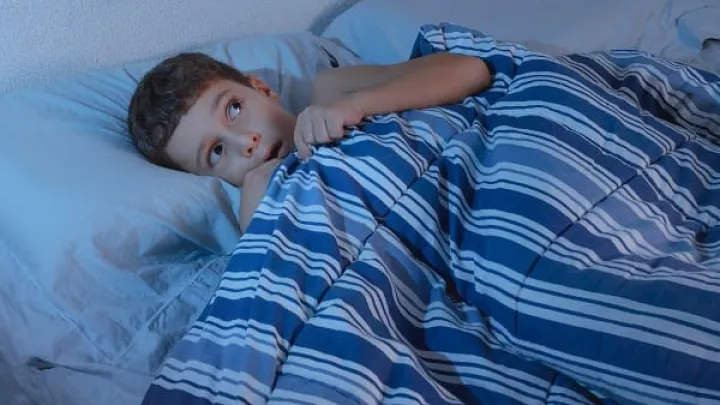
Nightmare is another word for “bad dream.” It’s a type of sleep disruption characterized by frightening dreams in which your child feels threatened and develops a sense of physical danger. An example would be dreaming of being chased by a stranger or monster. Nightmares more commonly to occur in the early morning and happen during the dream phase of sleep, known as rapid eye movement (REM) sleep.

Nightmares are most common in preschoolers (children aged 3-6 years of age). This is the age when normal fears develop and a child’s imagination is very active. Nightmares may involve disturbing themes, images or figures such as monsters, ghosts, animals or bad people. While this intense sense of fear ultimately causes your child to wake up on their own, it does not involve any physical danger.
The following behaviors are usually present in a normal nightmare episode:
- Your child wakes up during the last cycle of their sleep or early morning.
- Your child is frightened and triggers a partial or full awakening in which they are fully alert.
- Your child can describe the frightening dream in detail.
- Your child seeks and responds to comfort and reassurance from you or other close relatives.
- Your child shows fear of the scary dream happening again and may resist returning to bed.
What Triggers a Nightmare?
If your child is stressed or exposed to stressful situations, nightmares may begin to occur. Some stressful events include moving neighborhoods, changing schools, the birth of a sibling or parental marital problems. Other triggers may include being bullied at school or online, watching a scary movie, a recent injury or illness, the death of a loved one or physical, verbal or sexual abuse.
Help Your Child Keep Nightmares Away
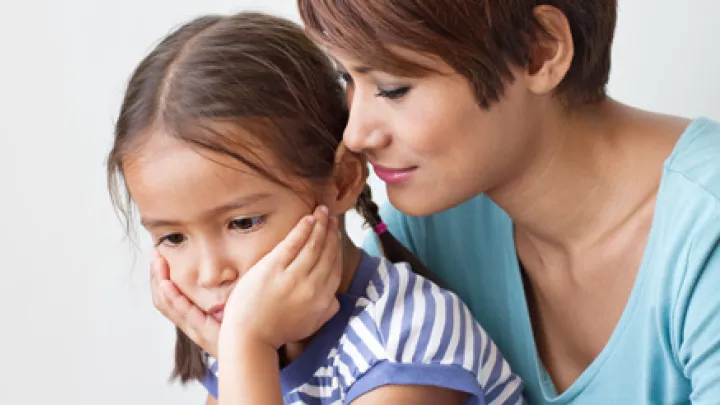
When your child has an increase in nightmares, it’s a sign they are under emotional distress, feeling overwhelmed and insecure. Karen Rogers, PhD, emphasizes a number of simple ways to help your child feel better when they have nightmares,“Children of all ages will benefit from physical comfort and reassurance from their caregivers when frightened by a nightmare, such as hugs, being held, having a back rub. Speaking to a child in a soft, calm voice and reminding them that you are there to protect them, they are safe, that dreams aren’t real can also be helpful.”
Creative Ways to Ward-off Nightmares
Rogers explains that once a child participates in imaginary play, they become better at using their imagination to combat nightmares. Here are some unique ways to keep nightmares at bay.
- Use “Monster Spray.” Label a spray bottle and fill with tap water. Spray around your child’s room for protection before bed time.
- Hang a warning sign on your child’s bedroom door, “No Monsters Allowed!” This can be enough to calm some fears for many children.
- Make a “dream catcher” together.
- Your child can choose a “protective” stuffed animal to sleep with.
- Help your child imagine a different and comforting ending to their nightmare.
- Rehearse the new ending before your child goes to bed so they know to use the comforting ending if the nightmare comes back.
If your child comes-up with their own creative way to keep nightmares away, it’s usually the most successful.
These simple strategies have worked for many children. If your child is constantly having nightmares and shows an ongoing fear of going to bed, Rogers stresses speaking with a pediatrician or counselor to seek more support.
What are some ways you’ve helped your child cope with nightmares? I’d love to hear what works for your
little one.