Hemostasis and Thrombosis Center
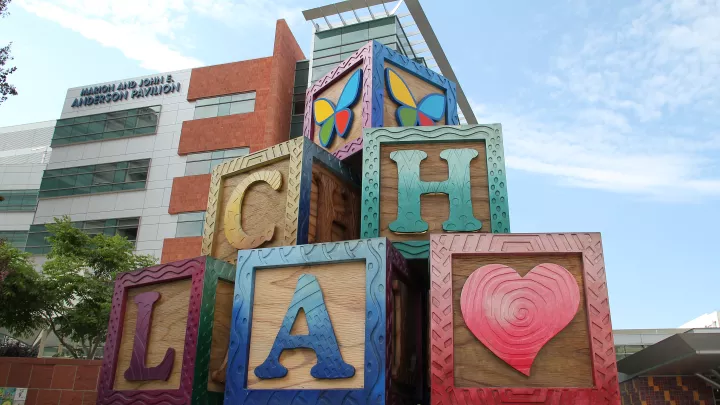
The Hemostasis and Thrombosis Center at Children’s Hospital Los Angeles has been delivering lifesaving care since 1976. Since then, we have become one of the world’s largest centers for children with bleeding and clotting disorders. At CHLA, your child has access to the best available therapies.
Our expertise gives your child the best chance to reclaim a healthy, happy childhood. We help children with blood disorders enjoy active lives with fewer bleeding episodes.
Pediatric Bleeding and Clotting Disorder Care: Why Choose Us
Our program was among the first in the country to become a federally recognized Hemostasis and Thrombosis Center. This designation recognizes our commitment to maintaining the highest care standards. We offer comprehensive services, preventive therapies, emergency treatment and long-term follow-up care.
Our program, part of CHLA’s respected Hematology program, offers:
- Expertise: Our team includes internationally recognized pediatric blood disease specialists (hematologists). We offer the most current care methods for any diagnosis. And our depth of knowledge leads to successful treatments, even for rare and complex forms of hemostasis and thrombosis. Meet our team.
- History of innovation: CHLA is at the leading edge of bleeding and clotting disorder care. Our research has led to scientific discoveries that set the standard for current treatments. Your child may be eligible to receive treatments through clinical trials that are not widely available.
- Support: Childhood bleeding and clotting disorders affect many aspects of your child’s and your family’s lives. We offer a broad range of support services to help you navigate treatment and plan for your child’s future.
What Are Hemostasis and Thrombosis?
The Hemostasis and Thrombosis Center at CHLA helps children who have:
- Hemostasis disorders: Bleeding disorders that occur when proteins in the blood that promote clotting are either missing or don’t function properly.
- Thrombosis: Clotting disorders caused when a clot blocks a blood vessel. Children typically develop clots as a complication of another medical condition or treatment.
Conditions We Treat
Types of blood disorders we treat include:
Bleeding disorders
- Hemophilia A and B
- Rare factor deficiencies
- Platelet function disorders
- von Willebrand disease
Clotting disorders
- Arterial thrombosis
- Stroke
- Thrombophilia
- Venous thrombosis
Our Team Approach to Treating Bleeding and Clotting Disorders in Children
We work together, guiding every step of your child’s care. Your child may see multiple members of our team in one visit, to get the most out of each appointment. Your child's care needs may change over time. Our team of specialists coordinates ongoing treatment that addresses your child's evolving needs.
In addition to a hematologist, our team includes a:
- Nurse practitioner with expertise in hemostasis and thrombosis, who co-manages your child’s care along with the hematologist
- Physical therapist, who uses special exercises to prevent recurring blood clots and complications such as bleeding into the joints
- Neuropsychologist, who assesses your child for problems affecting thinking, attention and learning ability
- Social worker, who identifies and addresses practical challenges related to your child’s care, including access to medications
Specialized Clinics for Bleeding and Clotting Disorders
Hematologists work alongside other CHLA specialists, giving your child easy access to additional services that prevent and treat complications.
We partner with:
- Adolescent Medicine specialists: Our Hematology-Adolescent Medicine Clinic cares for young adults who have heavy periods or need contraception (birth control) after having a blood clot.
- Orthopedic surgeons: Hematologists coordinate with CHLA’s Children’s Jackie and Gene Autry Orthopedic Center to address joint issues, such as pain from bleeding into a joint.
- Stroke neurologists: Working closely with specialists from the Pediatric Neurology Program and the Pediatric Stroke Program, we work to minimize the impact of complications from a blood clot in the brain (stroke).
Hemostasis and Thrombosis Research and Innovation
Research at CHLA is setting the foundation for new bleeding and clotting disorder treatments. We’ve helped develop medications that have nearly eliminated symptoms in some children with hemophilia A. The treatment also relieved joint issues, enabling children who had depended on wheelchairs to walk independently for the first time in years.
Get more information about our research and clinical trials.
Hematology Care at Children’s Hospital Los Angeles
At Children’s Hospital, your child has access to innovative treatments and leading-edge care for blood diseases. Learn more about our Hematology programs and services.
Contact us
The Cancer and Blood Disease Institute welcomes new patients, referrals and second opinions. Please call us to make an appointment.
- Existing patients: 323-361-4624
- New patients, referrals and second opinions: 323-361-4100