LIFE Cancer Survivorship and Transition Service
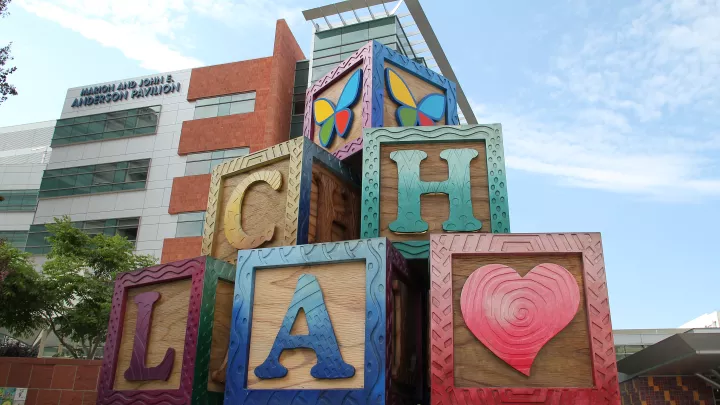
The LIFE Cancer Survivorship and Transition Service at Children’s Hospital Los Angeles provides comprehensive services for childhood and adolescent cancer survivors. LIFE stands for Long-term Information, Follow-up and Evaluation. Since 1992, we have provided medical care and support to meet the unique needs of childhood cancer survivors.
More Information About the LIFE Service
Cancer survivors commonly experience ongoing health problems, such as heart damage, nerve sensitivity, bone weakness or cognitive dysfunction. Some health problems may develop or persist years after completing treatment. Surgery, radiation therapy and chemotherapy necessary to destroy cancer can affect development and cause permanent damage.
The LIFE Service addresses these issues with an array of services tailored to young cancer survivors' needs. At the LIFE Clinic, survivors receive focused care from a team of specialists. Our team includes pediatric oncologists, nurse practitioners, social workers, occupational therapists and others who specialize in long-term follow-up survivor services.
How the LIFE Service Helps Young Cancer Survivors
The LIFE Service is part of the comprehensive care available through our renowned Cancer and Blood Disease Institute. We are helping more young survivors enjoy an excellent quality of life with services that include:
- Ongoing medical care: Childhood cancer survivors receive lifelong care to address current cancer-related issues and screen for late effects. We detect these issues in their earlier stages, lessening their impact on your well-being.
- Health education: We explain how health and emotional issues can affect your life and how to best manage them. Conversations include information about health risks and steps you can take to stay healthy.
- Transition services: As you reach adulthood, the best care for your needs will shift to adult specialists. You receive coaching that enables you to successfully manage your care. Many patients choose to receive services through the USC Norris Comprehensive Cancer Center. Explore the USC LIFE Clinic for Adult Survivors of Childhood Cancer.
- Support: Young cancer survivors can face unique challenges, and you don’t have to face them alone. Whether it’s assistance obtaining health insurance or continuing your education, we are here for you. Our team helps you explore options and make informed decisions. We also provide referrals to helpful community resources.
- Research: Through research, we are deepening our understanding of the challenges young survivors face and the best ways to address them. You may be eligible to participate in these efforts through clinical trials. Explore our hematology and oncology research and clinical trials.
Who Is the LIFE Clinic For?
Young people typically start receiving services through the LIFE Clinic within 2 years of completing cancer treatment. Our services are for:
- Survivors who received cancer treatment as children or teens
- Survivors of noncancerous childhood conditions requiring chemotherapy—often blood disorders such as aplastic anemia
About Your LIFE Clinic Visit
During your visit to our LIFE Clinic, we:
- Review your medical history with a special focus on cancer treatments
- Perform a physical exam
- Arrange for tests that may include echocardiograms, pulmonary function tests and bone density scans
- Identify current and potential health issues related to cancer treatment
- Make recommendations for ongoing monitoring to screen for delayed complications
- Explain opportunities to participate in survivorship research through clinical trials
Resources for Cancer Survivors at Children’s Hospital Los Angeles
At Children’s Hospital, we offer comprehensive support from diagnosis through early adulthood. Our services can help your child cope with the psychological impact of cancer, late effects of cancer treatment and transitioning to adult care. Learn more about our Survivorship and Supportive Care Program.
Contact us
The Cancer and Blood Disease Institute welcomes new patients, referrals and second opinions. Please call us to make an appointment.
- Existing patients: 323-361-4624
- New patients, referrals and second opinions: 323-361-4100